Wild Dark Shore
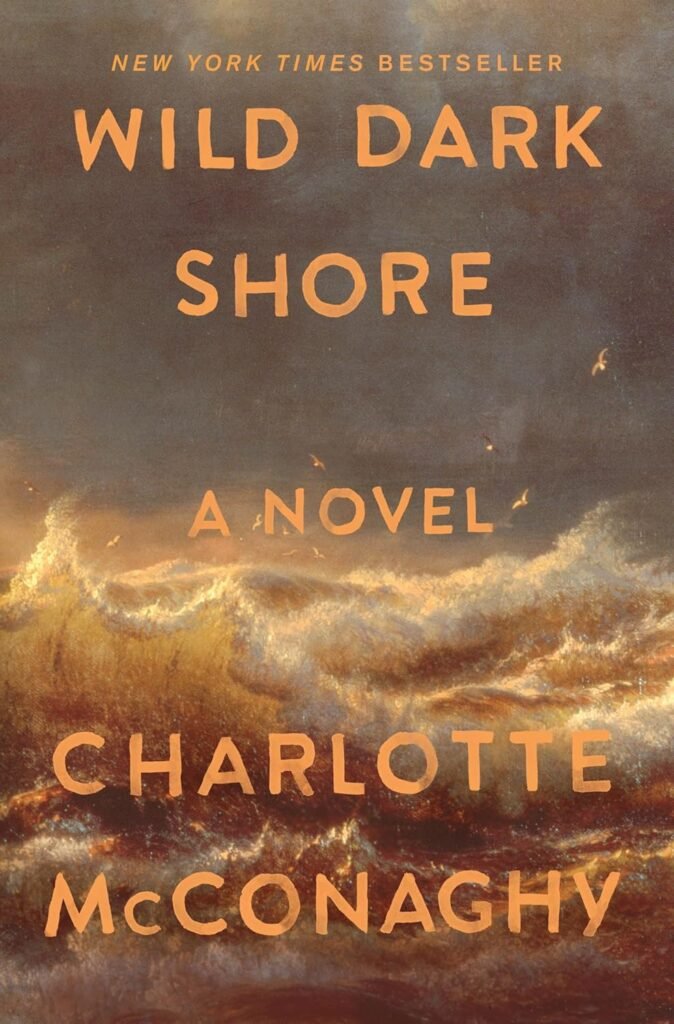
Emily Dickinson wrote that hope was the thing with feathers. After reading Charlotte McConaghy’s phenomenal Wild Dark Shore, it seems to me that hope is a seed. I confess that, prior to reading Wild Dark Shore, I’d not really thought much about seeds. I’m not much of a gardener and the plants I do nurture I buy once they’re, well, plants. But, as Orly, one of the narrators of this climate change novel tells us, again and again, seeds are miraculous—not just fragile signs of life, but brilliant survivors. Here, he’s describing how the seeds of the banksia, a wildflower native to Australia, responded to deadly wildfires:
Only to black ground, only to ash, will the banksia give its seed. And only within this scorched wasteland can it survive and find a way to thrive. From beneath the carpet of ash—which the untrained eye would look at and see death—comes life, bursting free.
Orly is the youngest son of Dominic Salt, a widower raising his three children on a remote island south of New Zealand. The island, Shearwater, is, like much of the world, sinking—literally—and as the seas claim the island, Dominic and his family are packing up seeds chosen from the millions stored there—Shearwater’s seed bank is loosely based on the Svalbard Global Seed Bank. They are the last ones left on the island—all the scientists have left—and in a few weeks a ship will come and take the Salt family and the seeds elsewhere. Or they were the last ones on the island until a woman, nearly dead, washes up on their shore.
Her name is Rowan. Now, no one comes to Shearwater unless they mean to—unless they have a purpose. Dominic doesn’t believe in coincidence. He knows she’s keeping secrets. She, though, is not the only one. Something happened in the final days of the island’s research station. What, we don’t know. And as the narrative shifts between perspectives—Dominic’s, Rowan’s, and Dominic’s three kids, Raff, Fen, and Orly—an extraordinary story unfolds.
The book does many things, all well. It’s a thrilling read—Rowan’s secret is connected to those of the Salts and the emotional tension is almost claustrophobically intense. It’s a novel about the glories of nature—the island teems with seals, birds, penguins, and more, and all are portrayed with precision and wonder. It’s an apocalyptic climate change story, and the descriptions of wildfires, floods, and raging seas are terrifying and seemingly prophetic. But, most of all, it’s a story about love, friendship, and families found and made.
I finished this book days ago and it’s still with me. Wild Dark Shore demands you sit with devastation and still believe in something salvageable. It is a story about survival—not just of seeds or species—but of the fragile, fumbling ways humans try to love one another. Read it. Let it first wreck you and then save you. Because, even as the world falls apart, there is always another place we can find where we can be with those we love. That hope, this book says, is really the only way.